

Structure of the Criczop Web Widget
It’s important to understand the structure of the widget before you can configure it to match your brand’s style. When visible to the user, the Criczop Web Widget can exist in one of the following statesExpanded
Expanded
When in the expanded state, the widget takes up a space on the bottom right of your webpage. Here’s what the widget looks like on desktop: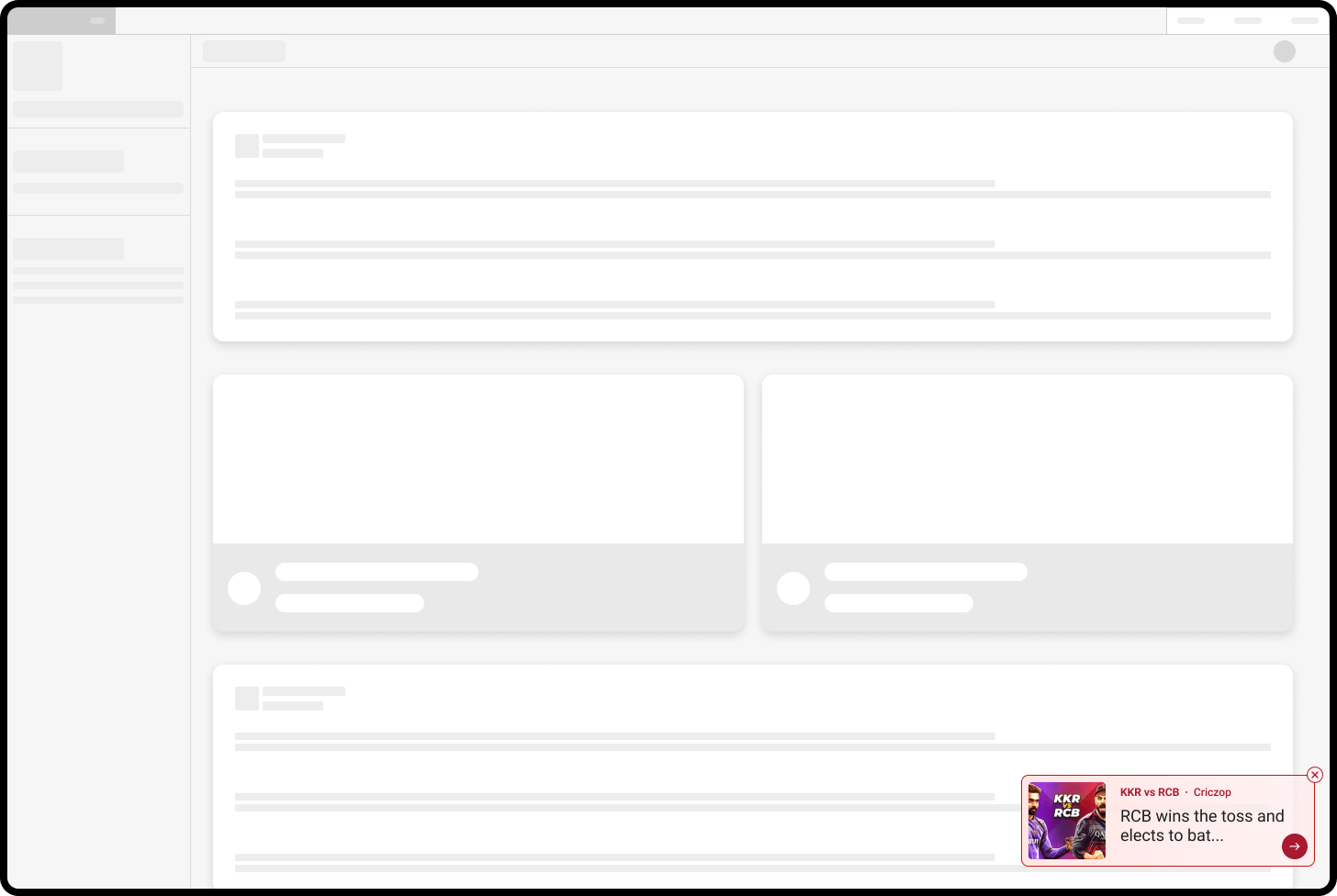
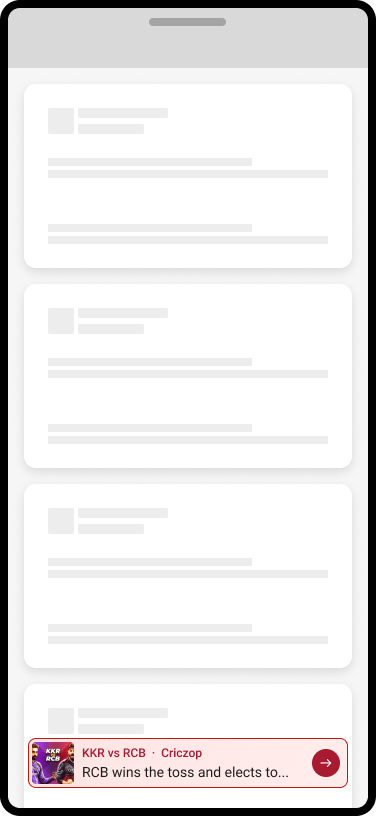
Docked - Style 1
Docked - Style 1
The widget supports 2 different styles for the docked state. Style 1 is free of text, and here’s how it looks on desktop (see bottom-right):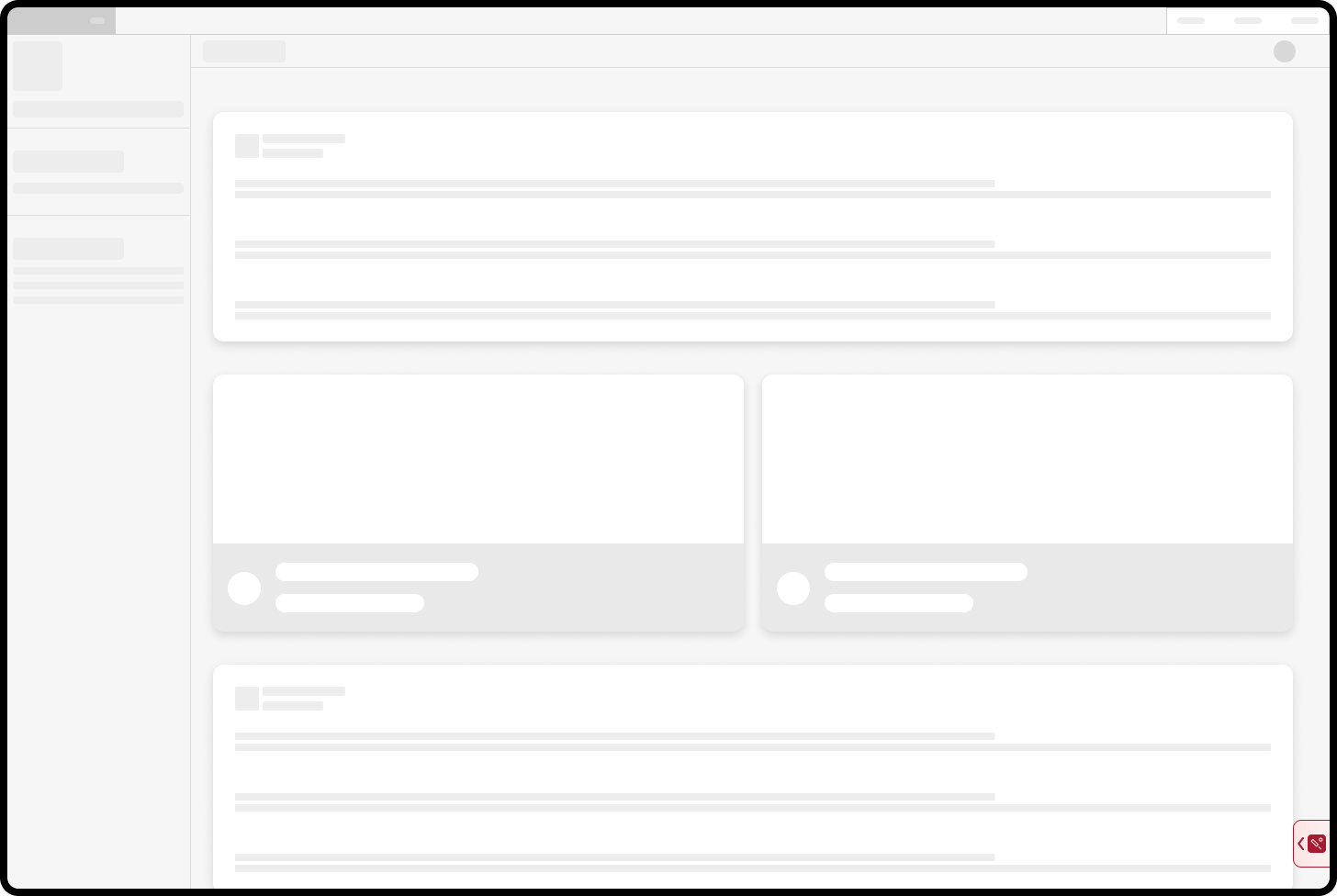
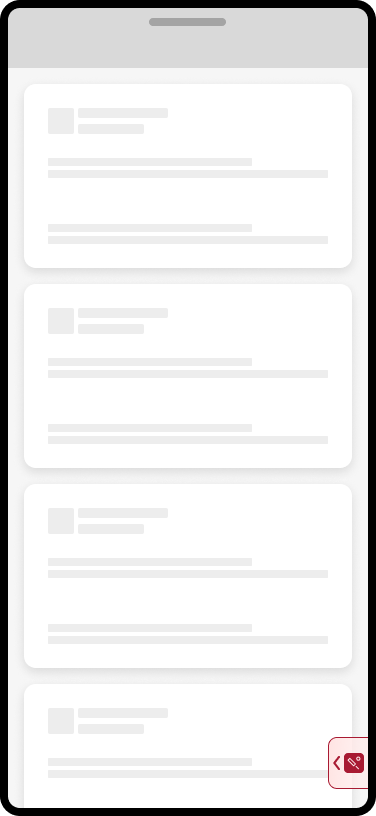
Docked - Style 2
Docked - Style 2
When in the docked state (style 2), here’s what the widget looks like on desktop: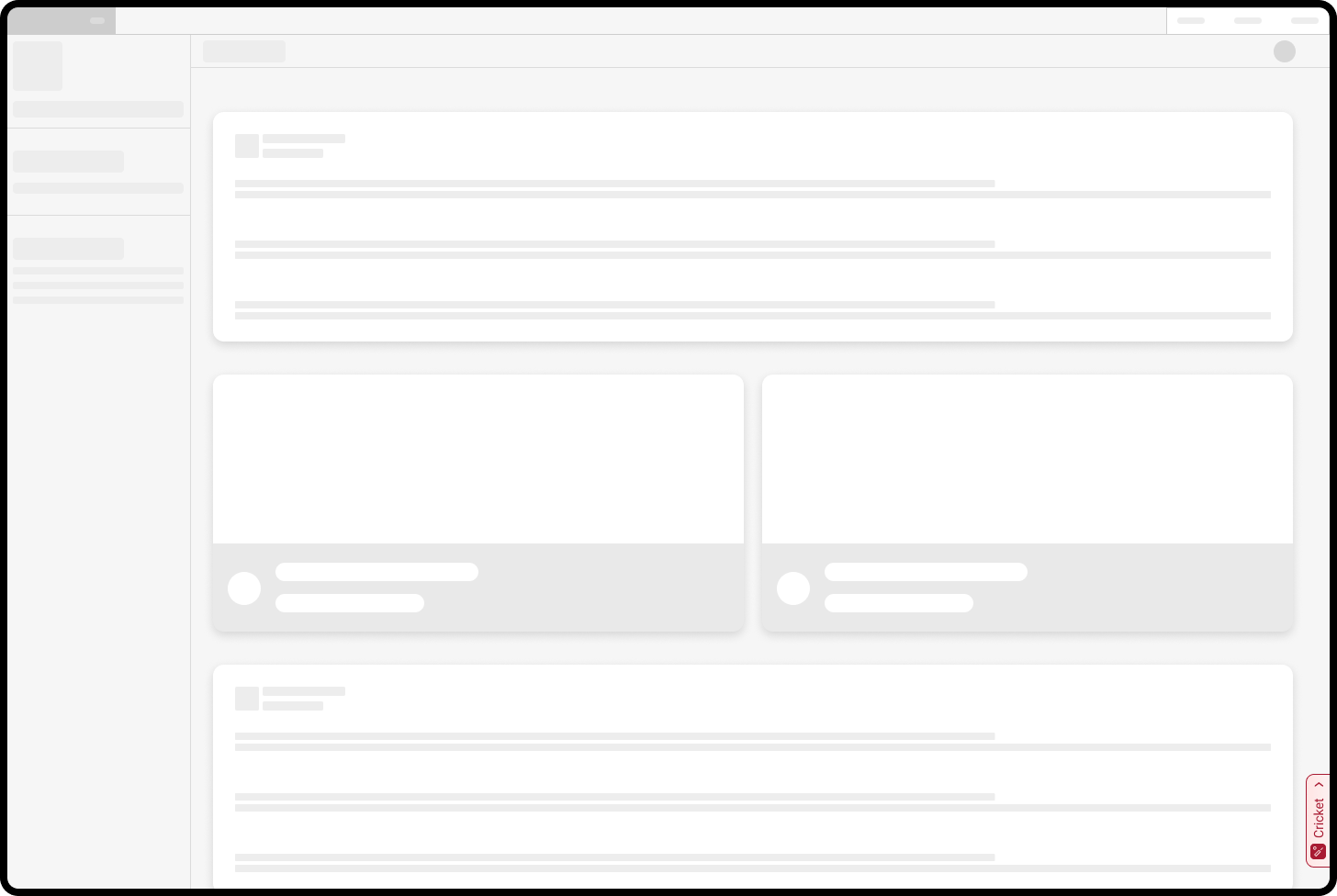
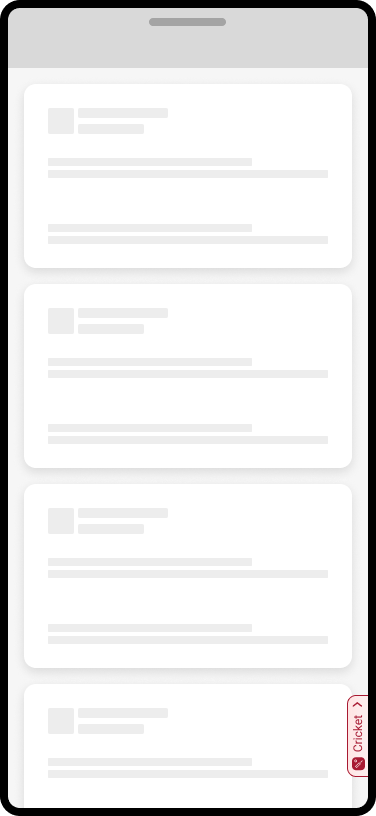
Customisable UI elements
Styling for the Criczop Web Widget isn’t configurable via frontend code. Our team handles all styling customisations from the backend to ensure a seamless integration with your website’s branding.If you’d like to update the styling at any time, please reach out to your Gamezop Account Manager and we’ll be happy to help!
Expanded state
The image below shows the different UI elements of the widget’s expanded state, each of which are customisable to match your brand’s style.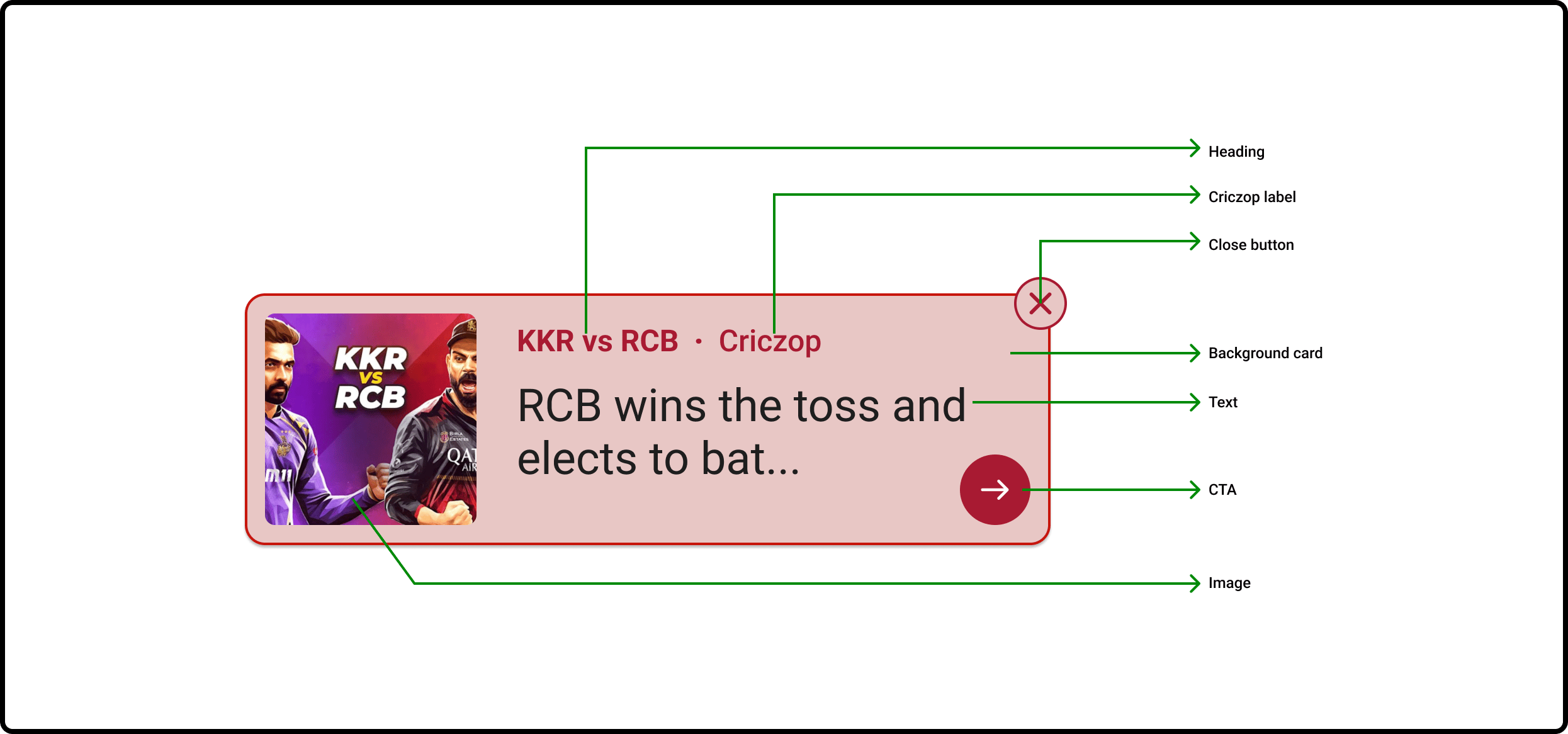
Docked state (Style 1)
The image below shows the different UI elements of the widget’s docked state (style 1), each of which are customisable to match your brand’s style.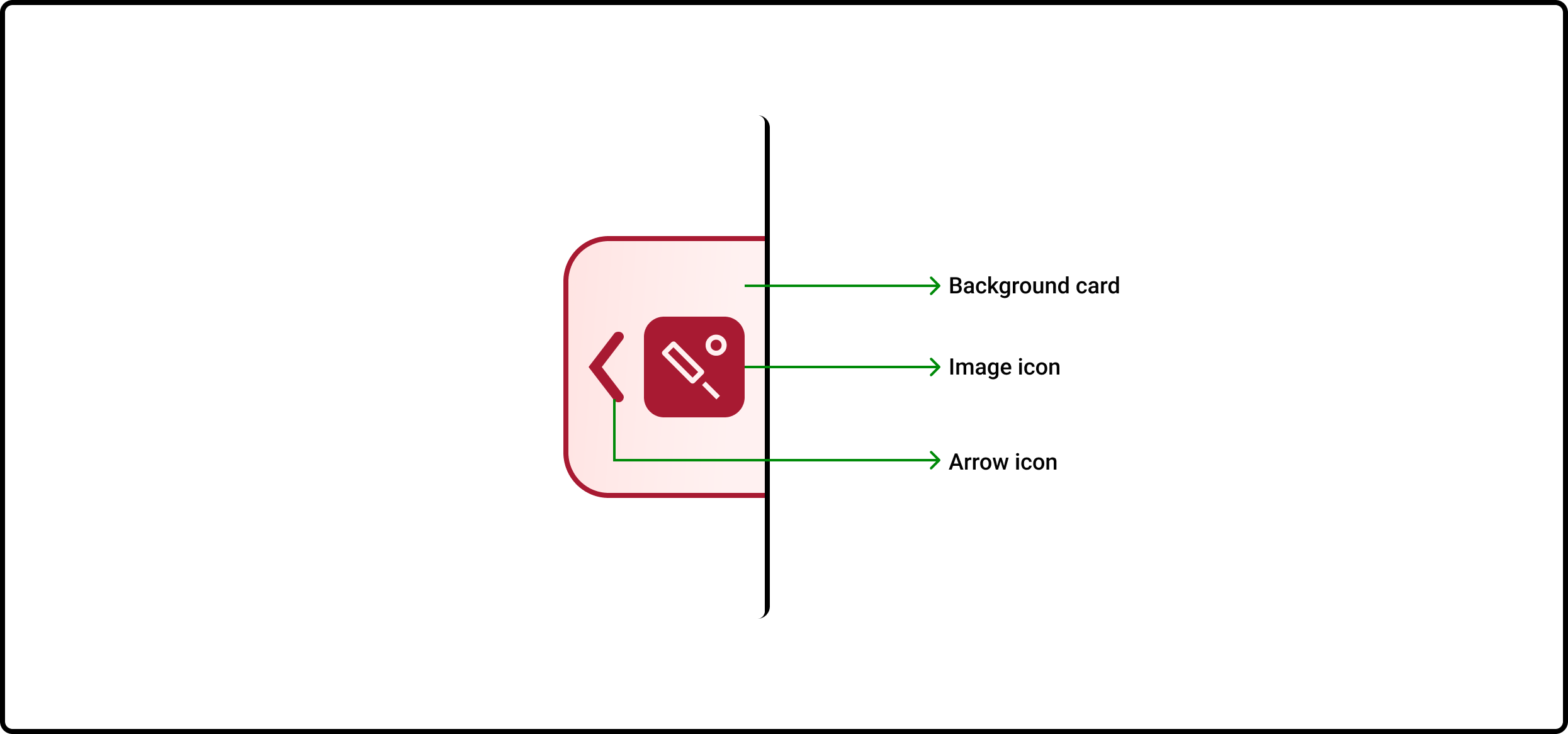
Docked state (Style 2)
The image below shows the different UI elements of the widget’s docked state (style 2), each of which are customisable to match your brand’s style.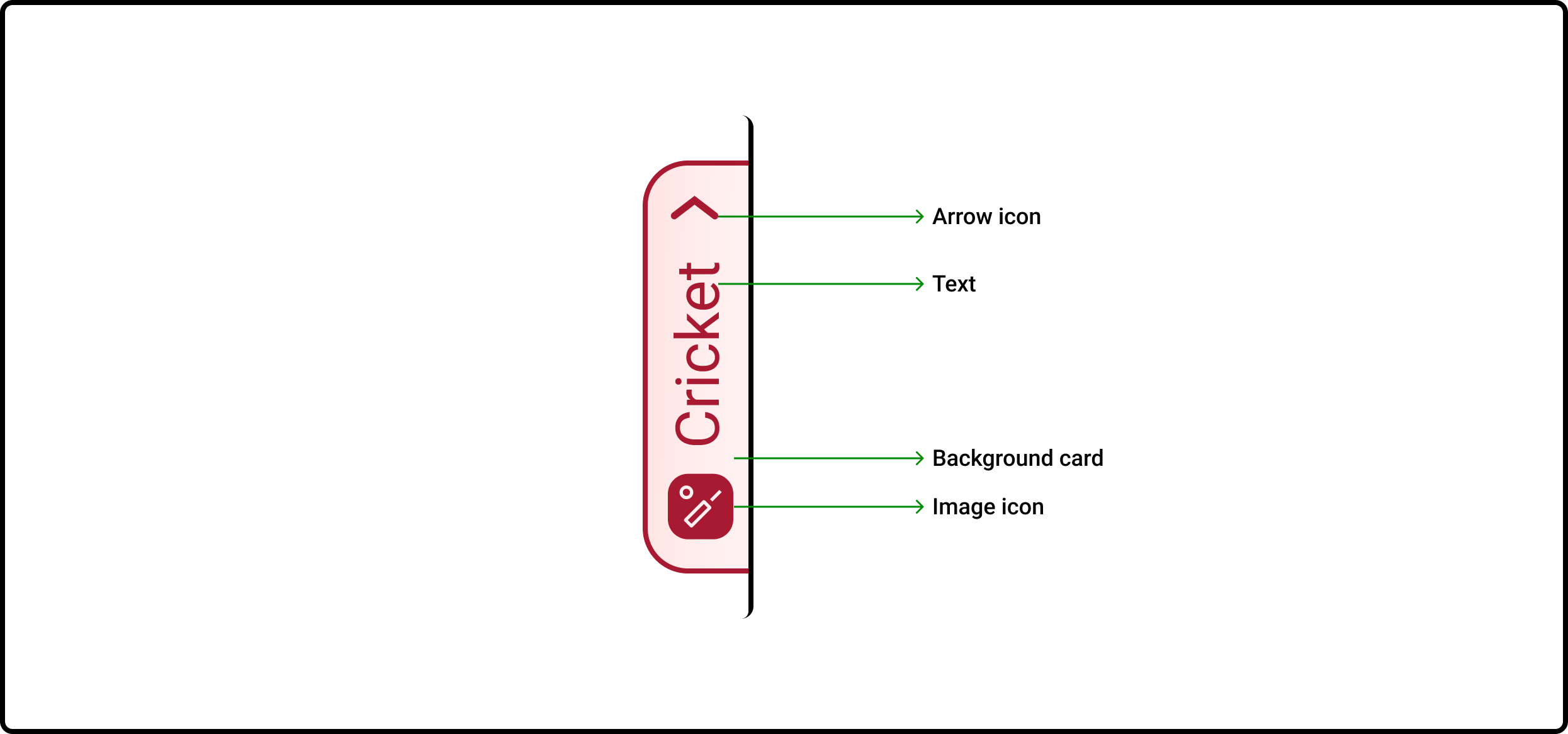
Your preferred styling is mapped to your Criczop Property ID.If you have multiple websites, and you have different styling requirements for each of them, you will need multiple Property IDs with each mapped to a different style config.
Customise scroll behaviour
You can also customise how the widget must behave when the user scrolls the page. There are 2 configurable items:- Should dock on scroll down: You can configure this to
trueorfalse.- If set to
true, the widget automatically moves to the docked state when users scroll downwards on your webpage. Nothing happens if the widget is already in the docked or off state before the user starts scrolling downwards. - If set to
false, scroll down behaviour does not affect the widget’s visibility state.
- If set to
- Should expand on scroll up: You can configure this to
trueorfalse.- If set to
true, the widget automatically moves to the expanded state when users scroll upwards on your webpage. Nothing happens if the widget is already in the expanded or off state before the user starts scrolling downwards. - If set to
false, scroll up behaviour does not affect the widget’s visibility state.
- If set to
Test & preview your styling
You can use Criczop Web Widget’s Chrome Extension to preview the widget on your site, as well as to configure its styling by changing all its configurable values. Follow these steps:- Install the Chrome Extension on your browser from the link above
- Navigate to your website, and open the extension. Wait for a few seconds for the widget to appear on your site.
- Configure the various styling options (such as colours, border widths and so on) to match your site’s styling. The extension allows you to configure the widget’s desktop and mobile styling separately.
- Simulate mobile mode on your browser and follow the same steps above to test the widget’s UI on your mobile site.
- After you are done, copy your configuration or download the configuration as a JSON. To do so, use the copy / download buttons in the top-right of the extension. Send this configuration to your Gamezop Account Manager, and we’ll do the rest!